Most of what protects an empty house happens in the two hours before you leave it. This is the list we would work through on our own property. It is deliberately not a sales pitch: everything here is something you can do yourself, and if you do all of it your house will be in better shape in April than most of the ones we visit.
Water first, because it causes the most expensive failures
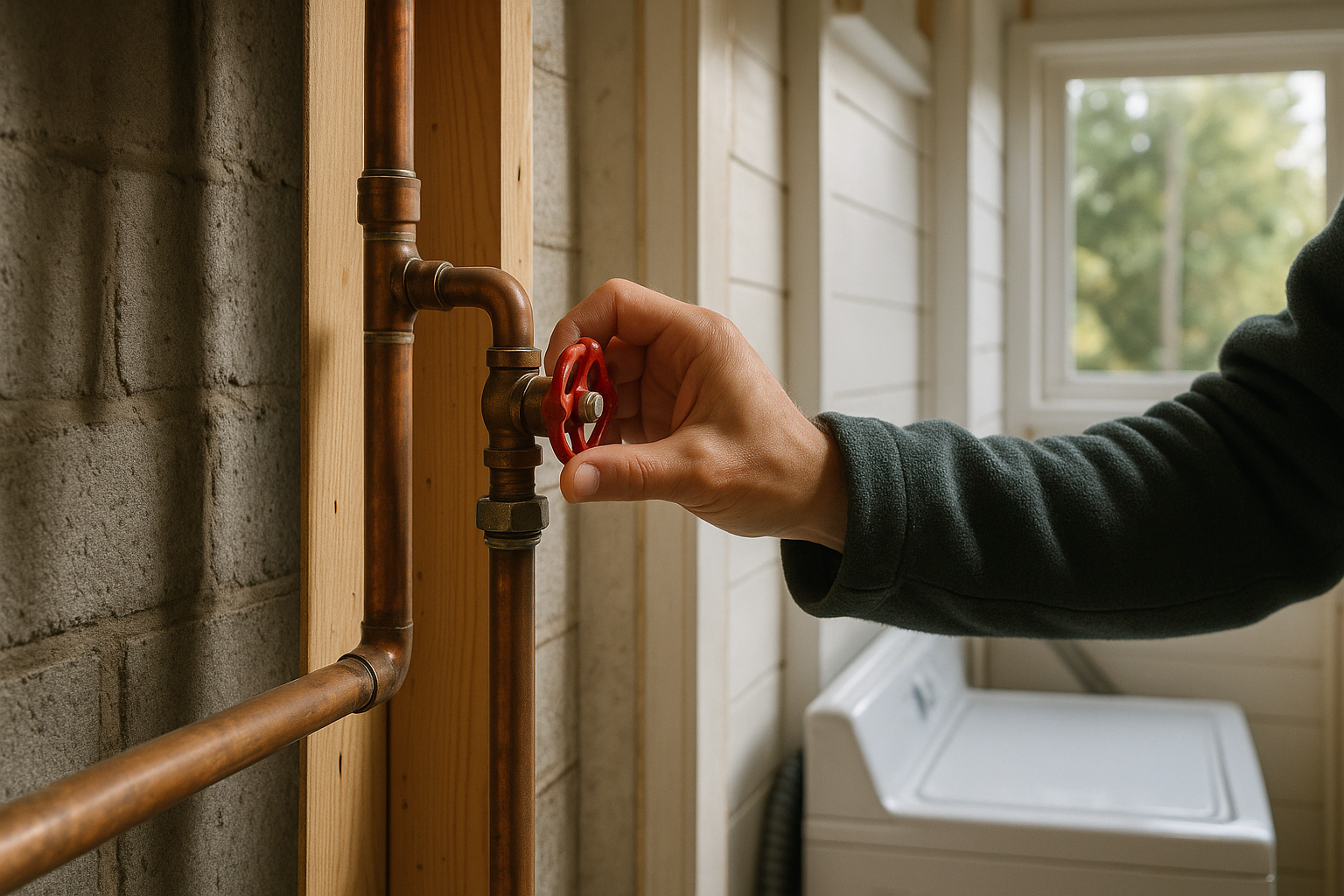
Decide whether you are shutting the water off at the main or leaving it on. Off is safer and means draining the system and dealing with the water heater. On is more convenient and means everything downstream of the main is a potential leak for five months. There is no universally right answer, but there is a wrong one, which is not having decided.
If you leave it on, turn off the individual supply valves to the washing machine, dishwasher and any outside taps. Those are the connections that fail, and they are the cheapest to isolate.
Pour a little water down every drain including the floor drain, and if the house will be empty a long time, a small amount of mineral oil on top of each trap slows the evaporation considerably.
Heat, and knowing it is still on
Set the thermostat somewhere between 12 and 15 degrees. Warm enough that nothing freezes, cool enough that you are not heating an empty house for the sake of it.
Open the doors of cabinets under sinks on exterior walls so the warm air reaches the pipes behind them. It is a small thing and it is the exact spot that fails.
Consider a cheap wifi temperature sensor. It is the one piece of technology in this list worth the money, because it turns "the heat was set correctly" into "the heat is currently working".
Outside, before the weather turns
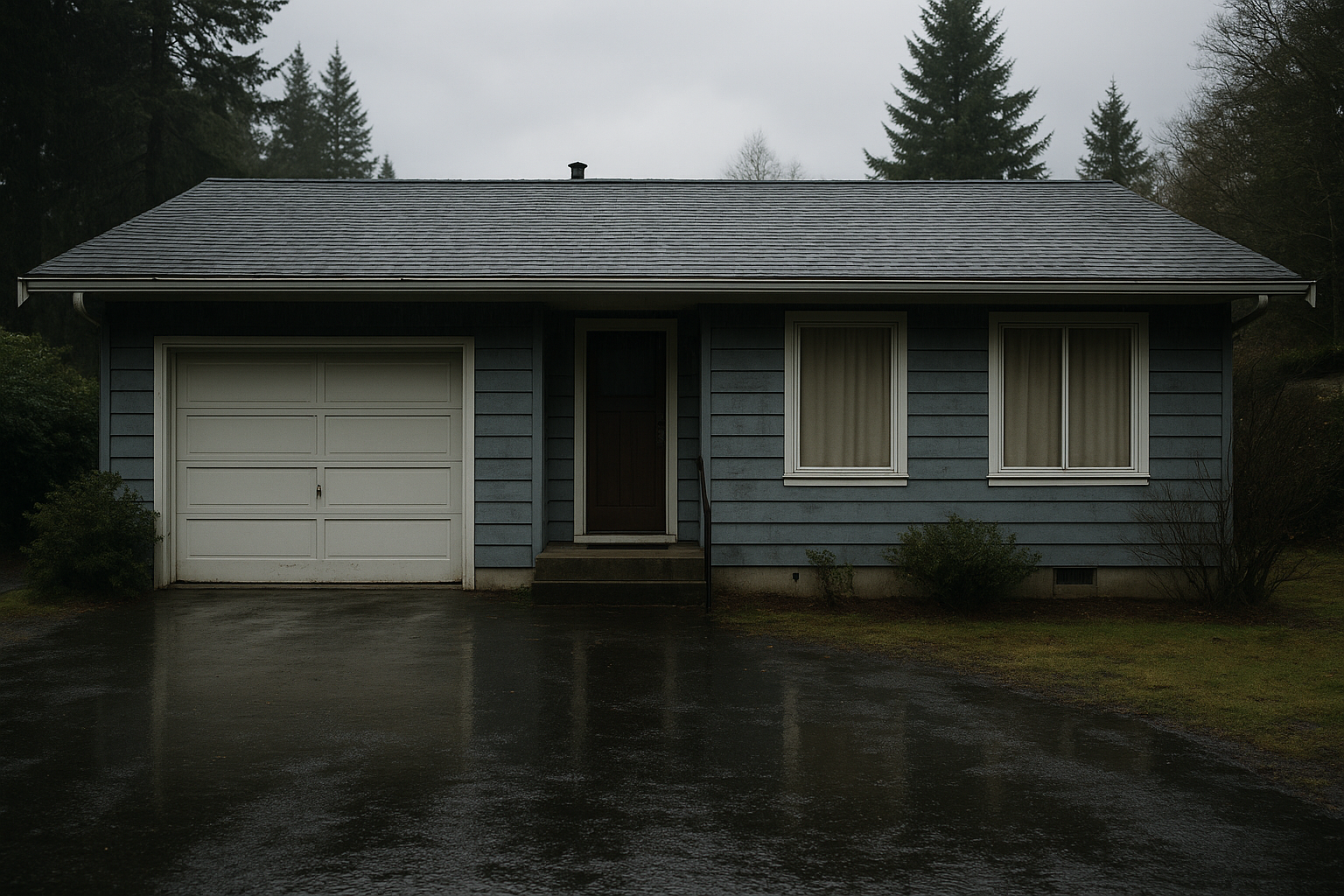
Clear the gutters and check the downspouts actually discharge away from the foundation. This is the highest-value twenty minutes on the list on this coast.
Walk the perimeter and look up. Any limb overhanging the roof that you would not want there in a January windstorm should come off in October, not after.
Put away or tie down anything that can be picked up by wind: furniture, umbrellas, bins, the plant pot on the step. Storm damage on Island properties is very often something on the property being thrown into something else on the property.
Inside, on the way out
Empty the fridge properly and either leave it running or clean it out and prop the door open. Halfway between the two is how you come back to a science experiment.
Take out anything a rodent would consider food, including the bag of flour and the birdseed in the garage.
Unplug what does not need power. Leave what does, and know which is which, particularly if there is a sump pump or a septic system involved.
Pull furniture a few inches off exterior walls so air can move behind it. Costs nothing, prevents the damp corner.
Paperwork, which nobody enjoys and everybody skips
Tell your insurer the property will be unoccupied, and ask specifically what your policy requires while it is. Many policies treat a vacant or unoccupied property differently, and some require checks at a stated interval. Whatever the answer, you want it from your own broker about your own policy rather than from an article.
Stop the mail or have somebody collect it. A full mailbox is the clearest possible signal that nobody is home.
Leave a key and your contact details with somebody who can actually get there. Whether that is a neighbour, a relative or a service is up to you, but a locked house nobody can enter is a house where a small problem has to become a large one before anyone can act.
What this list cannot do
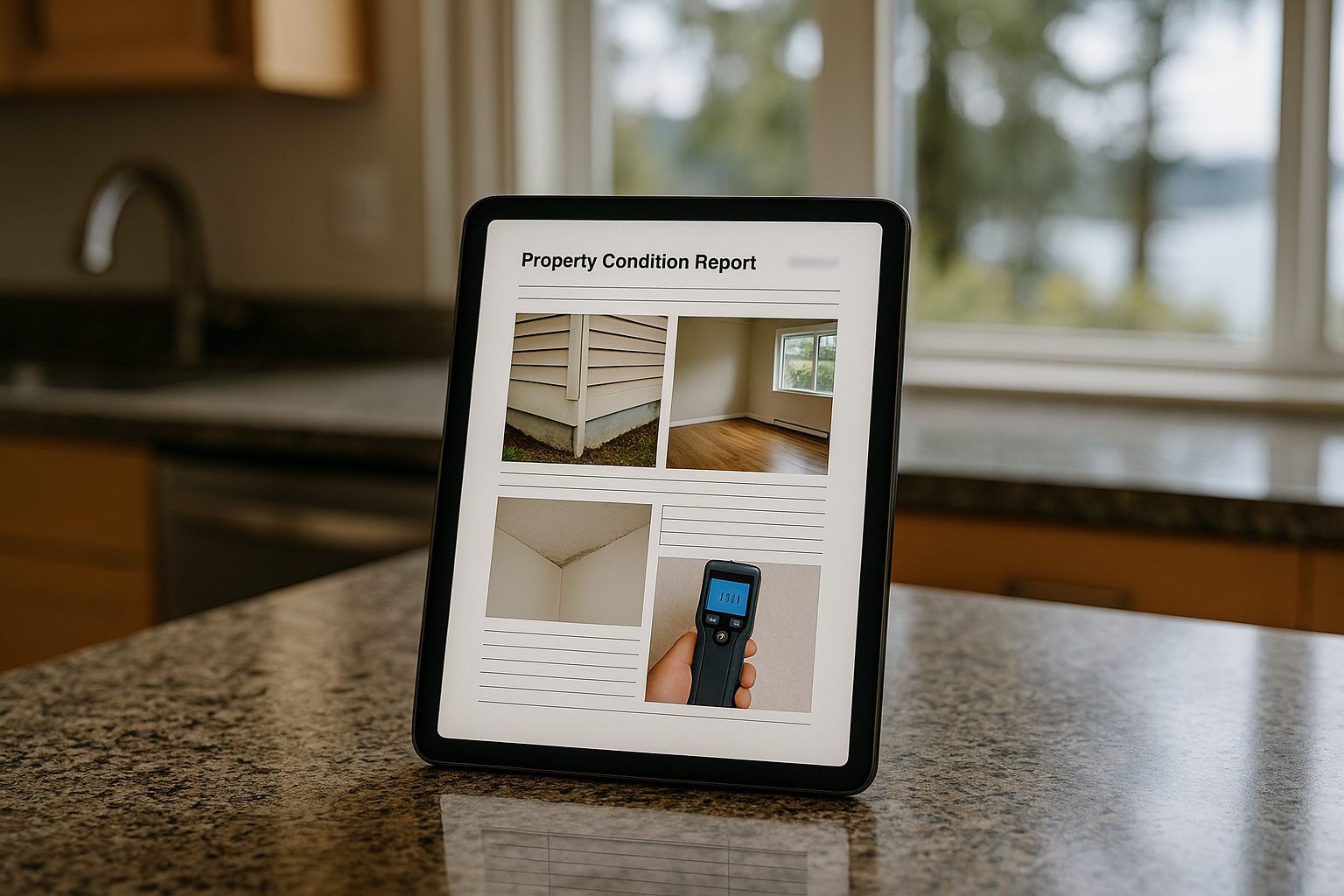
Every item above is a snapshot taken on the day you left. None of it tells you what happened in week nine. That is the honest limit of preparation, and it is the entire reason anybody pays for someone to attend.
If you have somebody local who will genuinely go and look, and who will tell you the inconvenient thing when they find it, use them. That is a good arrangement and it is cheaper than us.
Key takeaways
- Decide about the water. Off and drained, or on with appliance valves closed. Not undecided.
- Heat between 12 and 15 degrees, cabinet doors open on exterior walls, and a sensor if you can.
- Gutters and overhanging limbs are the highest-value outdoor jobs on this coast.
- Ask your own broker what your policy needs while the property is unoccupied.
- Preparation is a snapshot. It cannot tell you about week nine.
Own a property you are not living in? See what a monitoring visit covers, compare the plans, or tell us about the property.