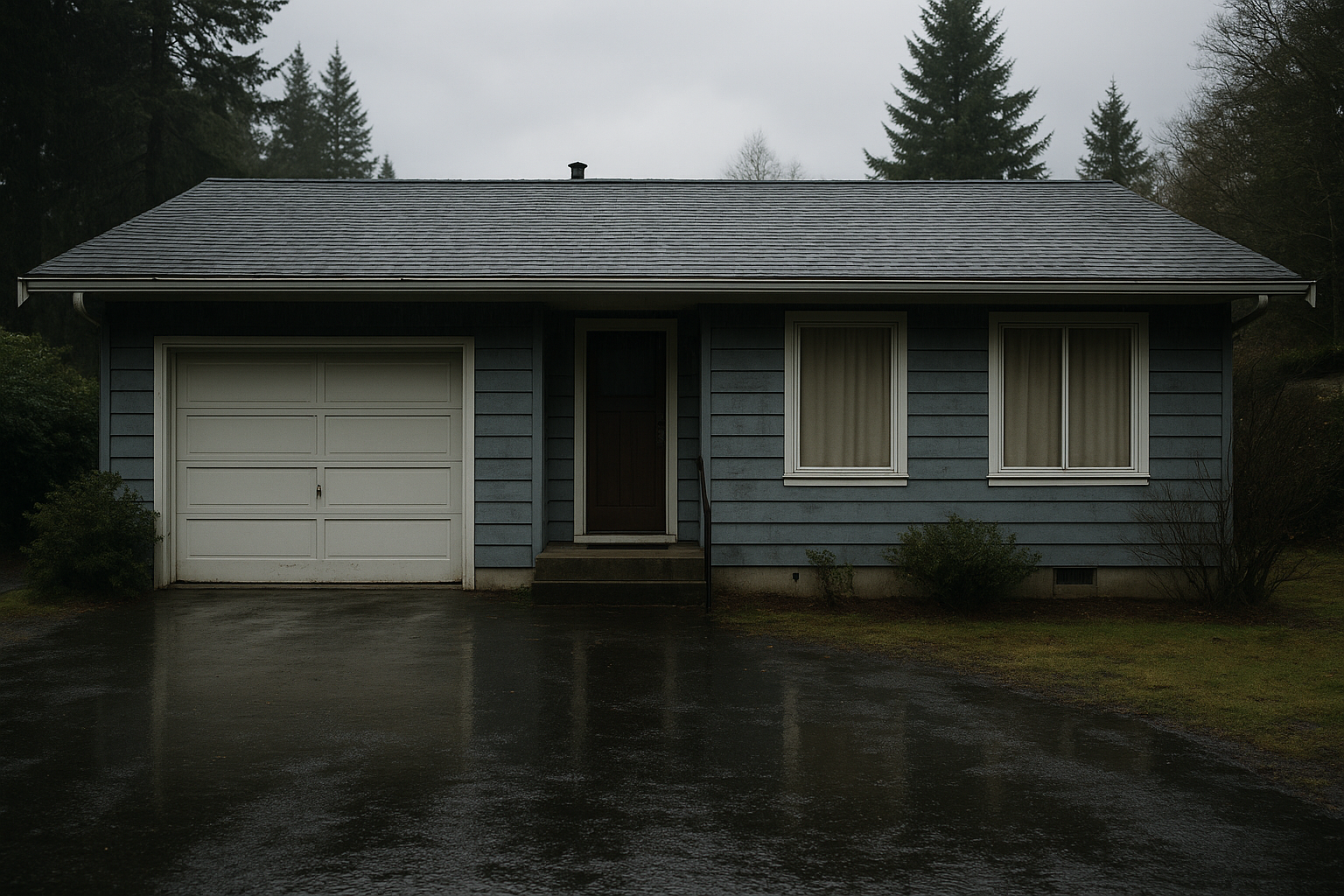
Ask someone what worries them about leaving a house empty and they will usually say burglary. It is the wrong thing to worry about, or at least the wrong thing to worry about first. The damage that actually accumulates in an unoccupied property on Vancouver Island is undramatic, cheap to catch and expensive to miss, and almost all of it comes down to water: water getting in, water not draining, or water sitting somewhere it should have moved through.
A small leak becomes a large one at the speed of nobody noticing
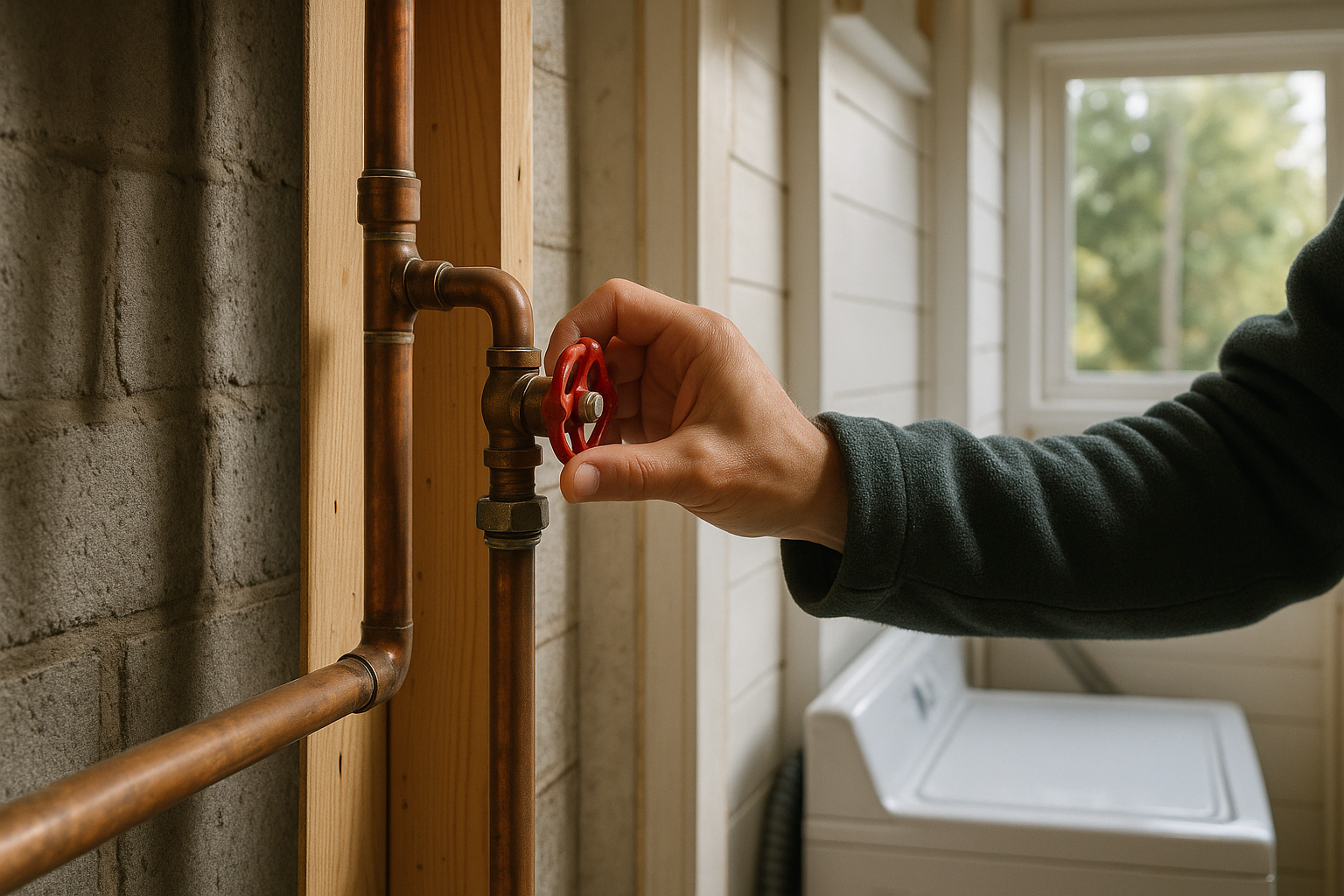
A supply line weeping behind a dishwasher is a twenty dollar part. The same weep running unobserved for six weeks is a floor, a ceiling below it, and a remediation bill. Nothing about the failure changed. What changed is how long it ran.
This is the single strongest argument for a short interval between visits rather than a thorough visit twice a year. The question is never how carefully somebody looks. It is how long a problem gets to run before anybody looks at all.
Traps dry out, and the smell is the least of it
Every drain in the house holds a small plug of water that stops sewer gas coming back up the pipe. In an occupied house it is topped up constantly without anyone thinking about it. In an empty one, the traps in the guest bathroom, the laundry and the basement floor drain evaporate over a few weeks.
The result is a house that smells wrong when you open the door in April, and in a below-grade space it can be genuinely unpleasant. Running every tap and pouring a jug down the floor drain takes two minutes a visit and prevents it entirely.
Heat is not optional, and the thermostat is not the only failure point
Most owners know to leave the heat on low. Fewer think about what happens if the furnace fails in week three, or a breaker trips, or the propane runs out. The setting was correct; the outcome is a cold house with pipes in the exterior walls.
Southern Vancouver Island does not freeze hard often, which is exactly why it catches people out. A short cold snap in a house that has been unheated for a fortnight will do damage that the same cold snap in an occupied house would not.
Gutters and drainage do the quiet damage
A blocked downspout does not announce itself. It sends water down the wall instead of away from it, and on a wet coast that means saturated sheathing, a damp crawlspace, and eventually rot in the places nobody inspects.
Autumn is when it happens and autumn is usually when the owner has just left. A gutter that was clear in September is not necessarily clear in November, and the difference between the two is one look.
Moisture, mould and a house that cannot breathe
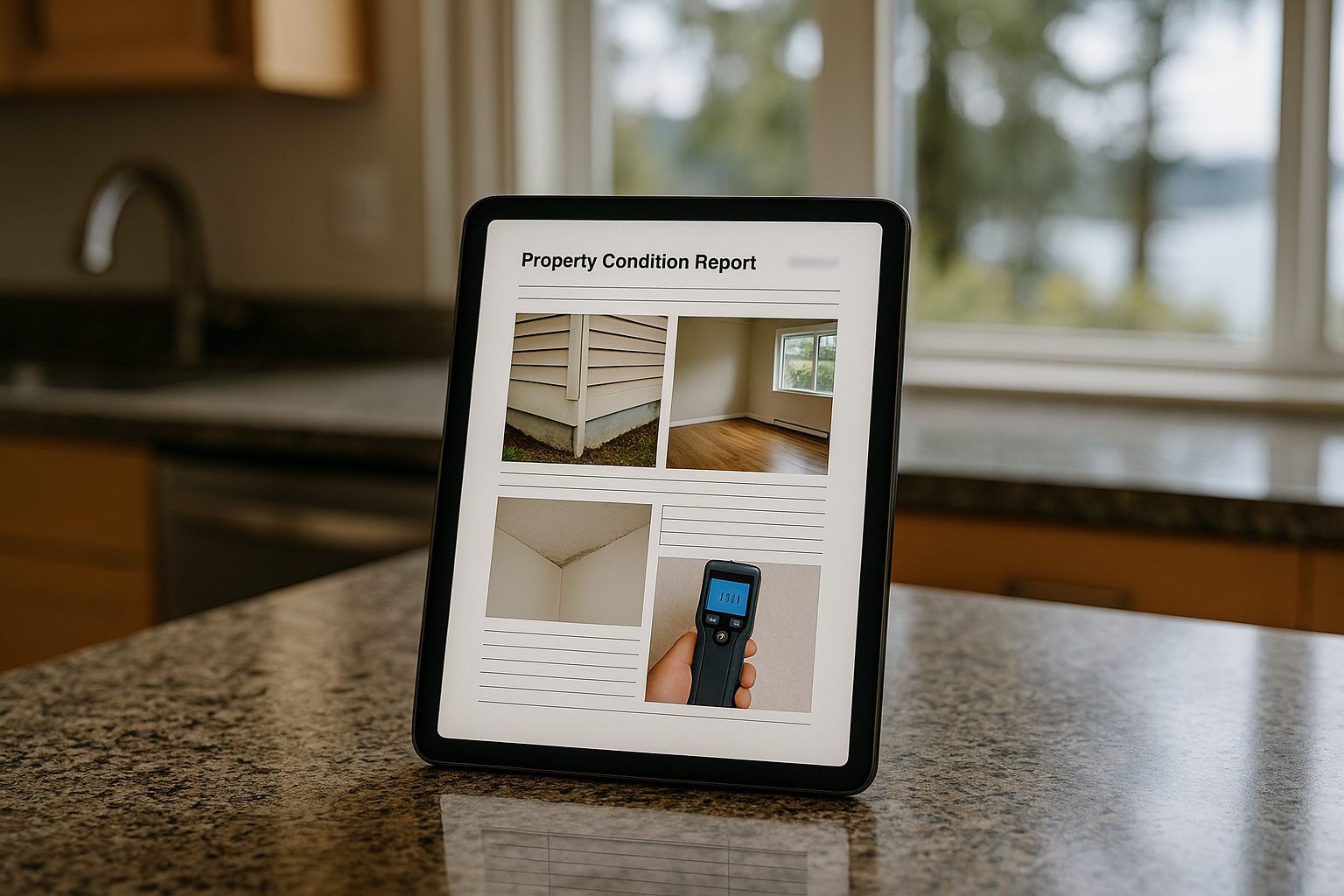
A closed-up house on a wet coast holds humidity. Without anyone opening a window, running an extractor or moving air through, moisture settles on the coldest surfaces: window reveals, exterior wall corners, behind furniture pushed against an outside wall.
It is slow, it is cosmetic for a long time, and then it is not. Catching it early is a matter of somebody standing in the room and noticing that the corner is damp, which is not something a camera on the wall will tell you.
Rodents, and the season they arrive
Mice and rats move indoors when it gets cold and wet, which on this coast is October. An empty house is quiet, undisturbed and often has a food source nobody thought to remove.
The damage is rarely the animal. It is the wiring they chew, the insulation they nest in, and the mess that has to be cleaned professionally. A month of activity is a nuisance. Five months is a job.
And yes, the property looking empty
Break-ins do happen, and an obviously unoccupied house is a more attractive target: flyers building up, a dark house every night, a lawn nobody has touched, bins that never move.
That is worth managing, and it is largely managed as a side effect of somebody attending regularly. But it is genuinely not the main risk, and a service that leads with it is selling you the fear rather than the problem.
Key takeaways
- Interval matters more than thoroughness. A quick look every two weeks beats a careful look twice a year.
- Water causes most of it: leaks, dry traps, blocked drainage, trapped humidity.
- Leaving the heat on is not the same as knowing the heat is still on.
- Break-ins are real but they are not the main risk, and anyone leading with them is selling fear.
Own a property you are not living in? See what a monitoring visit covers, compare the plans, or tell us about the property.